
How to Set the Conditions for Deeper Sleep Tonight
- June 21, 2026
- 6 min read
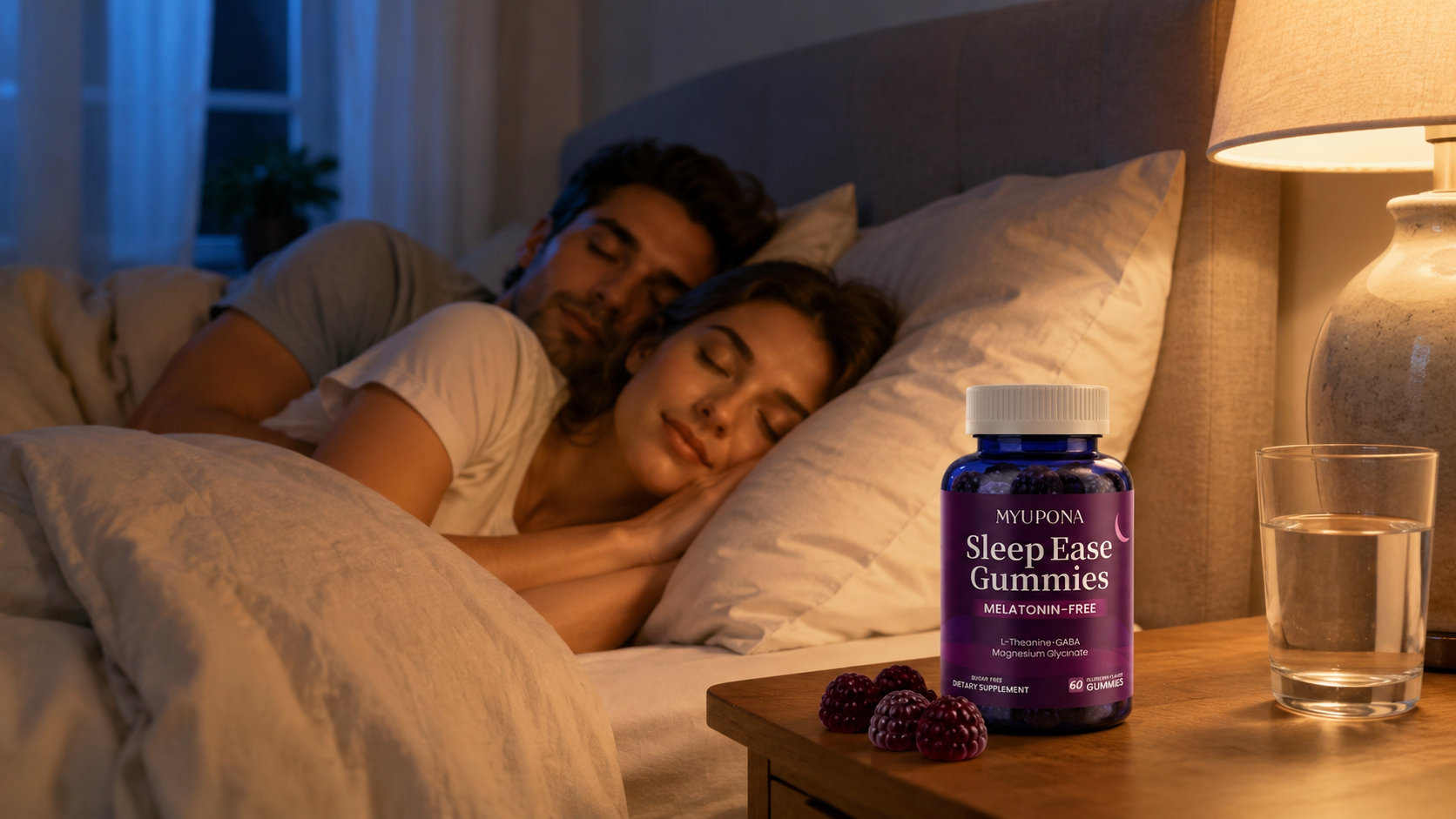
Deep sleep is not something you force after getting into bed. It is something you protect before the night begins.
Also known as slow-wave sleep, deep sleep refers to N3 sleep, the deepest stage of non-REM sleep.
Longer periods of slow-wave sleep tend to happen earlier in the night, especially during the first sleep cycles. That is why the last part of your evening matters. A late coffee, a heavy dinner, a bright room, or half an hour of scrolling can make the first part of the night harder to protect.
Start with the conditions you can control first: timing, movement, caffeine and alcohol cutoffs, evening light, bedroom setup, and a routine simple enough to repeat.
Use Your Wake-Up Time as the Anchor
Most people start by asking, "What time should I go to bed?" A better place to start is, "What time can I wake up consistently?"
Your wake-up time sets the rhythm for the rest of the day. When it changes too much between weekdays and weekends, your body gets mixed signals about when to feel awake and when to wind down.
Choose a realistic wake-up time and keep it within the same 30-minute window for one week. NHLBI recommends going to bed and waking up at the same time every day, and keeping weekday and weekend schedules within about an hour when possible.
After waking, get daylight as early as your schedule allows, even if it is just a short walk outside. NHLBI also recommends spending time outside during the day when possible.
Tonight's move: Set tomorrow's wake-up time before you choose tonight's bedtime.
Move During the Day, Not at the Edge of Bedtime
If your day is mostly sitting, driving, meetings, and screens, your brain may feel tired while your body has not had enough movement.
You do not need an intense workout plan. A walk, light strength session, short movement break, or gentle exercise earlier in the day is enough to start. If late workouts leave you hot, wired, or alert, move them earlier and keep the final hour quiet. NHLBI recommends using the hour before bed for quiet time and avoiding intense exercise close to bedtime.
Today's move: Get your main movement earlier in the day and keep the last hour low-stimulation.
Give Caffeine and Alcohol a Real Cutoff
Caffeine can still affect your night even if you are able to fall asleep.
If you usually go to bed around 11 p.m., treat 2-3 p.m. as your caffeine cutoff. That includes coffee, cold brew, energy drinks, pre-workout, caffeinated soda, and strong tea. NHLBI notes that caffeine's effects can last up to 8 hours, which is why late-afternoon caffeine can interfere with sleep at night.
Do not judge caffeine only by whether you can fall asleep. Watch what happens after: lighter sleep, more waking, more tossing, or waking up without feeling restored.
Alcohol also deserves a clear boundary. A drink may make you feel sleepy, but sleepy is not the same as sleeping well. CDC and NHLBI both recommend avoiding alcohol before bedtime as part of healthy sleep habits.
Today's move: Decide your caffeine and alcohol cutoff before the evening starts.
Make Dinner Earlier and Keep Late Snacks Light
Deep sleep and heavy digestion do not work well together. This does not mean going to bed hungry. It means avoiding large, greasy, spicy, or sugary meals close to bedtime. NHLBI recommends avoiding heavy or large meals within a few hours of bedtime, while noting that a light snack is okay.
If dinner runs late, make it lighter. If you are truly hungry before bed, choose something small and easy to digest. If you often wake with reflux, bloating, thirst, or discomfort, look at dinner timing before searching for a more complicated solution.
Tonight's move: Do not make your body handle a heavy meal during the part of the night you want to protect most.
Lower Light Before You Lower Yourself Into Bed
The last hour should not feel like another work shift.
Bright lights, laptop glare, work messages, shopping tabs, news, and short videos all keep your brain engaged. The issue is not only blue light. It is stimulation.
Dim the lights earlier. Close work tabs. Stop checking messages that can wait. Move your phone away from the bed. CDC recommends turning off electronic devices at least 30 minutes before bedtime, and NHLBI recommends using the hour before bed for quiet time while avoiding bright artificial light from screens.
If 60 minutes feels unrealistic, start with 30 minutes.
Tonight's move: Put your phone outside arm's reach before bed and replace scrolling with one quiet action.
Make the Bedroom Cool, Dark, and Quiet
Your bedroom should be designed for fewer interruptions.
Start with temperature, light, and noise. If you often wake up hot, adjust bedding, sleepwear, or room temperature first. If light leaks into the room, use blackout curtains, an eye mask, or turn small glowing lights away from the bed. If traffic, neighbors, pets, or a partner's schedule wake you, solve that specific issue with earplugs, a fan, or a sound machine.
Both CDC and NHLBI recommend a quiet, cool, dark bedroom environment as part of healthy sleep habits.
Tonight's move: Choose the one thing most likely to wake you: heat, light, or noise. Fix that first.
Add a Melatonin-Free Bedtime Support Step
Once the main conditions are in place, a bedtime support step can have a clearer role.
A supplement should not be the whole sleep routine. It should fit inside one.
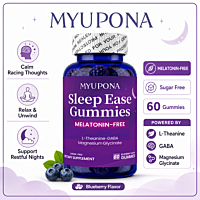
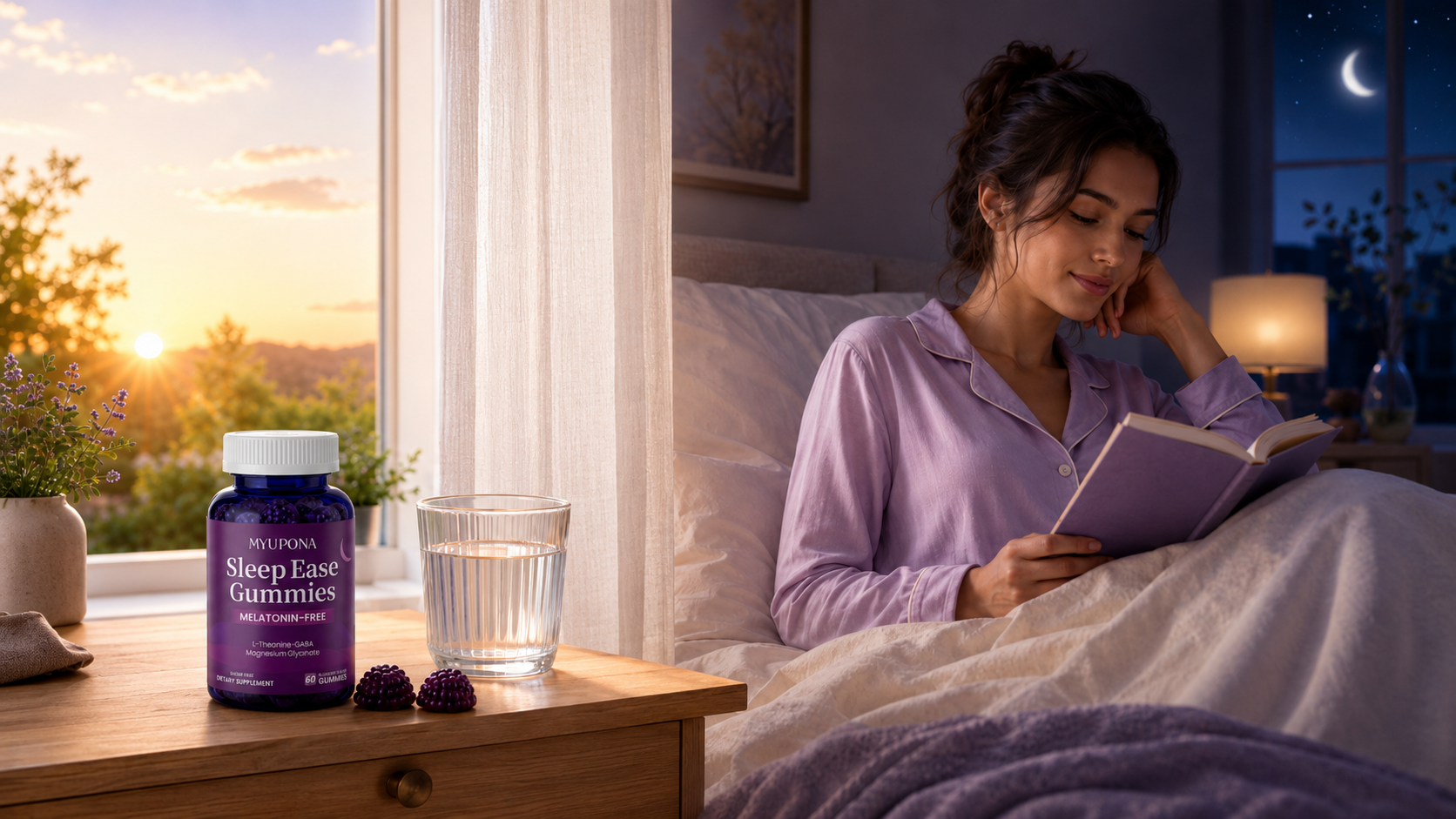
For adults who prefer melatonin-free relaxation support before bedtime, MYUPONA Sleep Ease Gummies can be used as part of a consistent evening routine.* Adults chew 2 gummies 30-60 minutes before bedtime. Follow the suggested use and label directions.
MYUPONA Sleep Ease Gummies are made with magnesium as magnesium glycinate, L-theanine, GABA, lemon balm extract, and chamomile extract. They are designed for adults who want bedtime relaxation support without adding melatonin to their nightly routine.*
Use them with the basics, not instead of the basics: a steady wake-up time, an earlier caffeine cutoff, lower evening light, a cooler bedroom, and a calmer final stretch before bed.
Do Not Turn Your Deep Sleep Score Into the Goal
Wearables can be useful, but a deep sleep score is not the whole story.
Consumer sleep trackers can help you notice patterns, but they are not the same as a clinical sleep study. Many consumer devices estimate sleep stages through indirect signals rather than full polysomnography, and experts caution against treating single-night sleep-stage numbers as diagnostic results.
Look at trends across one to two weeks. Compare the data with what you can actually feel: how often you woke up, whether the room felt too warm, whether caffeine ran too late, and whether your morning felt clearer.
Use the number as feedback, not as a grade. The goal is not to win your sleep app. The goal is to build a night with fewer interruptions.
When Habits Are Not Enough
Better sleep habits can help create stronger conditions for deeper rest, but they are not meant to replace professional care.
If you regularly snore loudly, wake up gasping, notice pauses in breathing, wake with morning headaches, or feel extremely sleepy during the day, talk with a healthcare professional. CDC also recommends speaking with a healthcare provider if you regularly have problems sleeping or notice signs of common sleep disorders.
The same is true if you have ongoing trouble falling asleep, staying asleep, or waking too early for weeks or months. The American College of Physicians recommends cognitive behavioral therapy for insomnia, or CBT-I, as the initial treatment for adults with chronic insomnia disorder.
This is not about making sleep feel more serious than it needs to be. It is about knowing when a routine is enough and when your body may need a closer look.
The Bottom Line
Deeper sleep is easier to support when the first part of the night is protected.
Start with the conditions you can control: a steady wake-up time, daytime movement, a real caffeine and alcohol cutoff, lighter late eating, lower evening light, and a cooler, darker, quieter bedroom.
Then keep the routine simple enough to repeat.
Explore MYUPONA Sleep Ease Gummies
Explore MYUPONA Sleep Ease Gummies for melatonin-free relaxation support before bedtime as part of a consistent evening routine.*
Shop Sleep Ease Gummies*These statements have not been evaluated by the Food and Drug Administration. This product is not intended to diagnose, treat, cure, or prevent any disease.
References
- Centers for Disease Control and Prevention. About Sleep. https://www.cdc.gov/sleep/about/index.html
- National Heart, Lung, and Blood Institute. Healthy Sleep Habits. https://www.nhlbi.nih.gov/health/sleep-deprivation/healthy-sleep-habits
- Slow-wave sleep overview. Used for background on slow-wave sleep / N3 sleep and its stronger presence earlier in the night. https://en.wikipedia.org/wiki/Slow-wave_sleep
- Drake C, Roehrs T, Shambroom J, Roth T. Caffeine Effects on Sleep Taken 0, 3, or 6 Hours Before Going to Bed. Journal of Clinical Sleep Medicine. 2013;9(11):1195-1200. https://pubmed.ncbi.nlm.nih.gov/24235903/
- Baron KG, Abbott S, Jao N, Manalo N, Mullen R. Orthosomnia: Are Some Patients Taking the Quantified Self Too Far? Journal of Clinical Sleep Medicine. 2017;13(2):351-354. https://jcsm.aasm.org/doi/10.5664/jcsm.6472
- Qaseem A, Kansagara D, Forciea MA, Cooke M, Denberg TD. Management of Chronic Insomnia Disorder in Adults: A Clinical Practice Guideline From the American College of Physicians. Annals of Internal Medicine. 2016;165(2):125-133. https://pubmed.ncbi.nlm.nih.gov/27136449/
Related Products
Recent Posts
-
Everyday Care, Inside and Out
 June 26, 2026
 -
Working Out Before Bed? How to Wind Down After an Evening Workout
 June 25, 2026
 -
Circadian Rhythm and Sleep: How Your Body Clock Shapes Better Rest
 June 24, 2026
 -
Common Questions About Cooling and Warming Massage Balms
 June 24, 2026